
Best Topsoil for Raised Beds and Gardens in Victory Gardens, NJ
April 17, 2025
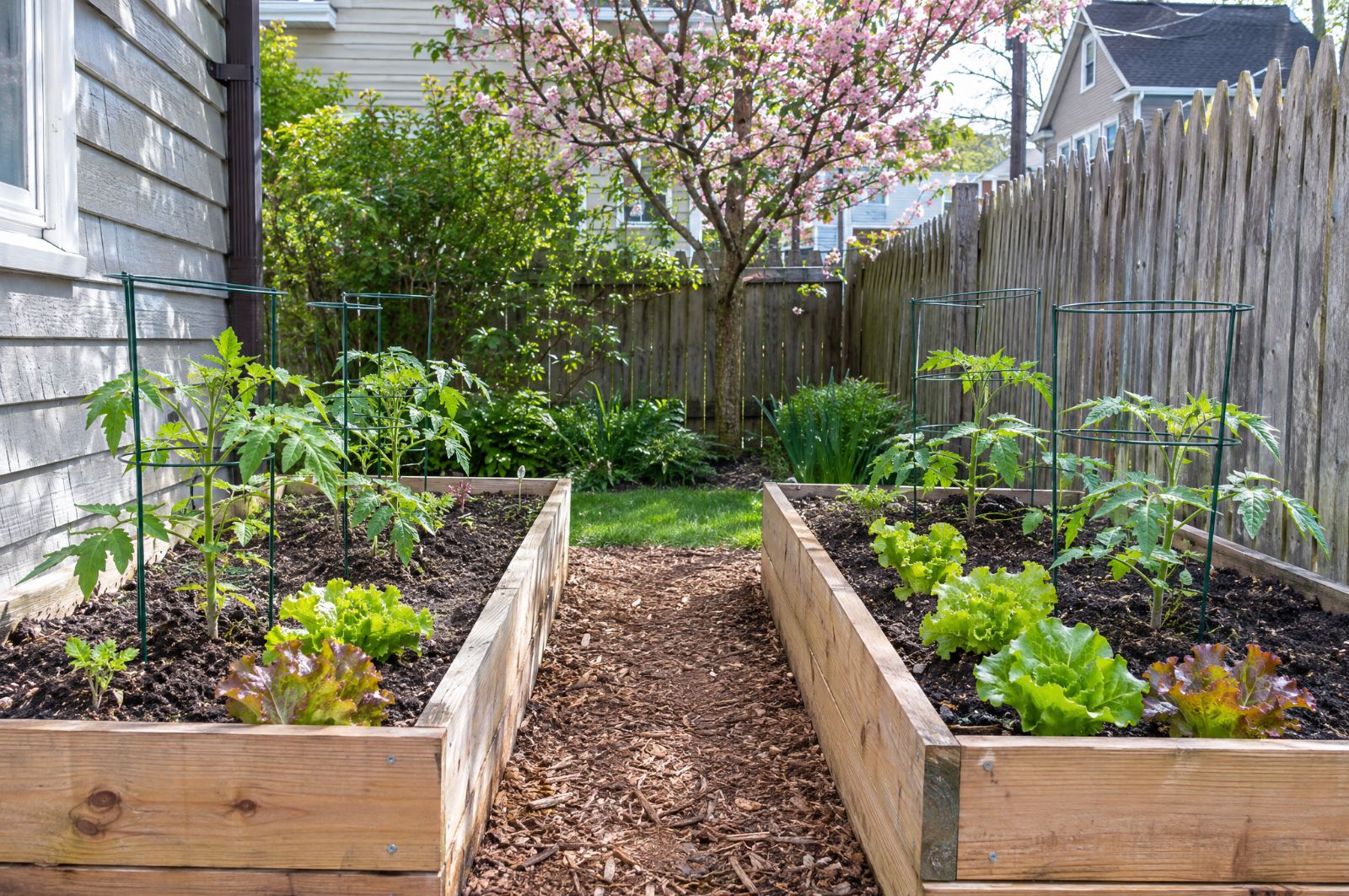
Victory Gardens is one of the smallest towns in Morris County, and many yards here are compact. That makes raised beds a natural fit: they put a lot of growing space in a small footprint and are easier on your back. But a raised bed is only as good as the soil inside it. Here is what to look for and how to keep it working year after year.
What good topsoil looks and feels like
You do not need a lab test to spot good soil. Pick up a handful and check for these signs:
- Dark color. A rich brown usually means plenty of organic matter.
- Crumbly texture. Squeeze a damp handful. It should hold together loosely and break apart when you poke it. If it stays in a sticky ball, it is heavy with clay.
- Few rocks or debris. Screened topsoil has been sifted to remove stones, roots and clumps.
- Earthy smell. A sour or chemical smell is a warning sign.
Why topsoil alone is not enough for raised beds
Straight topsoil in a raised bed can pack down over a season or two, especially after heavy rain. Most gardeners blend it with compost, which keeps the mix loose, holds moisture, and feeds plants. A common starting point is roughly two parts topsoil to one part compost, adjusted to what you grow.
Avoid filling beds with fill dirt or soil dug from a construction area. It is low in organic matter, and plants struggle in it.
How to fill a raised bed, step by step
- Pick a sunny spot. Most vegetables want six or more hours of direct sun.
- Clear the ground. Remove grass and weeds where the bed will sit, or lay plain cardboard to smother them.
- Measure the volume. Length times width times depth in feet, divided by 27, gives cubic yards. A 4 by 8 foot bed that is 1 foot deep holds about 1.2 cubic yards.
- Mix before filling. Blend topsoil and compost on a tarp or in a wheelbarrow so the bed is even top to bottom.
- Fill a little high. The mix settles after the first few waterings, so top it up as needed.
- Water and wait a few days. Let the soil settle before planting.
Keeping beds healthy through the season
- Add compost each year. Soil in raised beds sinks as organic matter breaks down. A fresh inch or two in spring keeps it full and fertile.
- Mulch lightly. A thin layer of shredded leaves or fine mulch around plants holds moisture through hot spells.
- Do not walk in the beds. The whole point is soil that stays loose. Keep beds narrow enough to reach the middle from the side.
- Pull weeds early. Small weeds come out easily from loose soil. Big ones take soil with them.
- Clean up in fall. Remove spent plants so pests and disease do not overwinter.
How Boris can help
Boris does not sell topsoil or build raised beds. Where he helps is everything around them. His landscape bed maintenance keeps ornamental beds weeded and edged, and spring and fall cleanups clear leaves and debris so your garden area starts each season clean. Victory Gardens is within his Morris County service area.
Raised bed soil questions
Can I reuse the soil in my raised beds every year?
Yes. There is no need to replace it. Just add compost each spring to refresh nutrients and replace what has settled.
Is bagged garden soil as good as bulk topsoil?
Bagged soil is handy for one small bed. For several beds, bulk topsoil and compost are usually more practical. Either way, check the texture and smell before using it.
How deep should a raised bed be?
Around 10 to 12 inches suits most vegetables and flowers. Deeper beds work well for root crops or if the ground below is very rocky.
Let Boris handle the yard around your garden
Bed care, cleanups and lawn care for Morris County homes, straight from the owner.