
Drainage Stone Basics for Netcong, NJ Homeowners
April 17, 2025
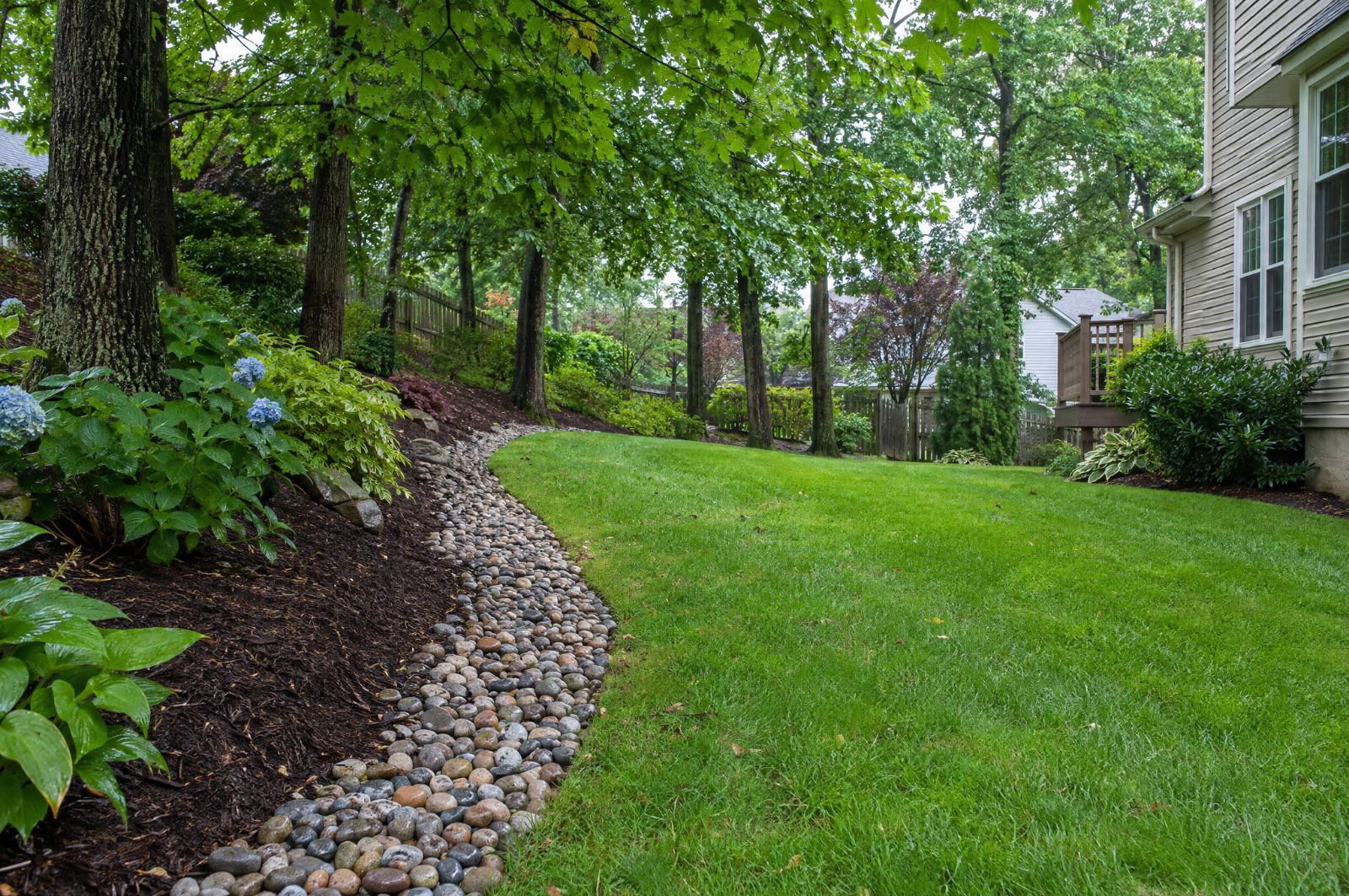
If your lawn stays squishy for days after a storm, or water heads straight for the foundation, it is natural to think a load of stone will fix it. Stone is an important part of most drainage solutions, but on its own it rarely solves the problem. Here is a plain-language look at how drainage stone works and what Netcong homeowners can do about wet yards.
Find out where the water is coming from
Before you pick any material, spend a rainy afternoon watching your yard. Note:
- Where water comes off the roof and whether downspouts dump right next to the house
- Which way the ground slopes, especially near the foundation
- Where puddles form and how long they last
- Whether water is coming from a neighbor’s property or the street
Often the fix is simpler than expected, like extending a downspout or regrading a few feet of soil so it slopes away from the house. Other times the problem is heavy clay or a high water table, and that calls for a real drainage plan.
What drainage stone actually does
Stone helps with drainage because water moves through the gaps between pieces. A few things matter:
- Clean, open stone drains best. Washed crushed stone or rounded gravel without fine dust leaves room for water to flow.
- Fine material clogs. Stone dust and screenings compact tightly. They are useful as a base under pavers, not for moving water.
- Fabric keeps it working. Without a filter fabric, soil washes into the stone over time and the gaps fill up.
- Stone needs somewhere to send the water. A trench full of gravel with no outlet just becomes an underground puddle.
Why DIY drainage often disappoints
French drains, dry wells and graded swales look simple on video. In practice, they depend on getting slope, depth, pipe placement and outlet right. Common problems include:
- Trenches dug without enough fall, so water sits instead of flowing
- Pipe or stone wrapped poorly, so silt clogs it within a few seasons
- Water sent toward a neighbor or the street, which can cause disputes
- Utility lines hit while digging. Always call 811 before you dig in New Jersey.
Building a drainage system is a job for a drainage or hardscape contractor. Landscaping by Boris does not install drainage, but we can help keep the yard in good shape around it.
Small things that keep water moving
Whatever system you have, routine care makes a real difference:
- Keep stone swales and drip strips clear of leaves and debris so water can enter them.
- Do not pile mulch against the house. Keep beds a few inches below the siding and mulch 2 to 3 inches deep.
- Watch bed edges. Built-up soil and mulch along a bed can act like a dam and hold water on the lawn.
- Clean up after storms. Branches and leaf mats block surface flow and smother grass.
How Landscaping by Boris helps Netcong properties
Boris serves Netcong and nearby Morris County towns with maintenance that supports good drainage:
- Spring and fall cleanups that clear leaves out of beds, swales and stone areas.
- Yard and storm debris cleanup after heavy weather.
- Bed maintenance, keeping mulch levels and edges where they should be.
Drainage questions we hear
Can I just add gravel to a wet spot in my lawn?
Usually not. Gravel dumped into a low spot without an outlet tends to fill with silt and stay wet. Look at grading and downspouts first.
Which stone is best for drainage?
Clean, washed stone without fine dust lets water move through. A contractor will choose the size based on the system being built.
Does Landscaping by Boris install French drains?
No. Drainage systems are a job for a drainage or hardscape contractor. Boris handles cleanups, bed care and maintenance that keep things flowing.
Keep your yard clear and ready for the next storm
Boris works directly with every client. Ask for a free estimate on a seasonal cleanup, storm debris removal or ongoing bed care.