
Choosing Good Topsoil for Lawns and Gardens in Rockaway, NJ
April 17, 2025
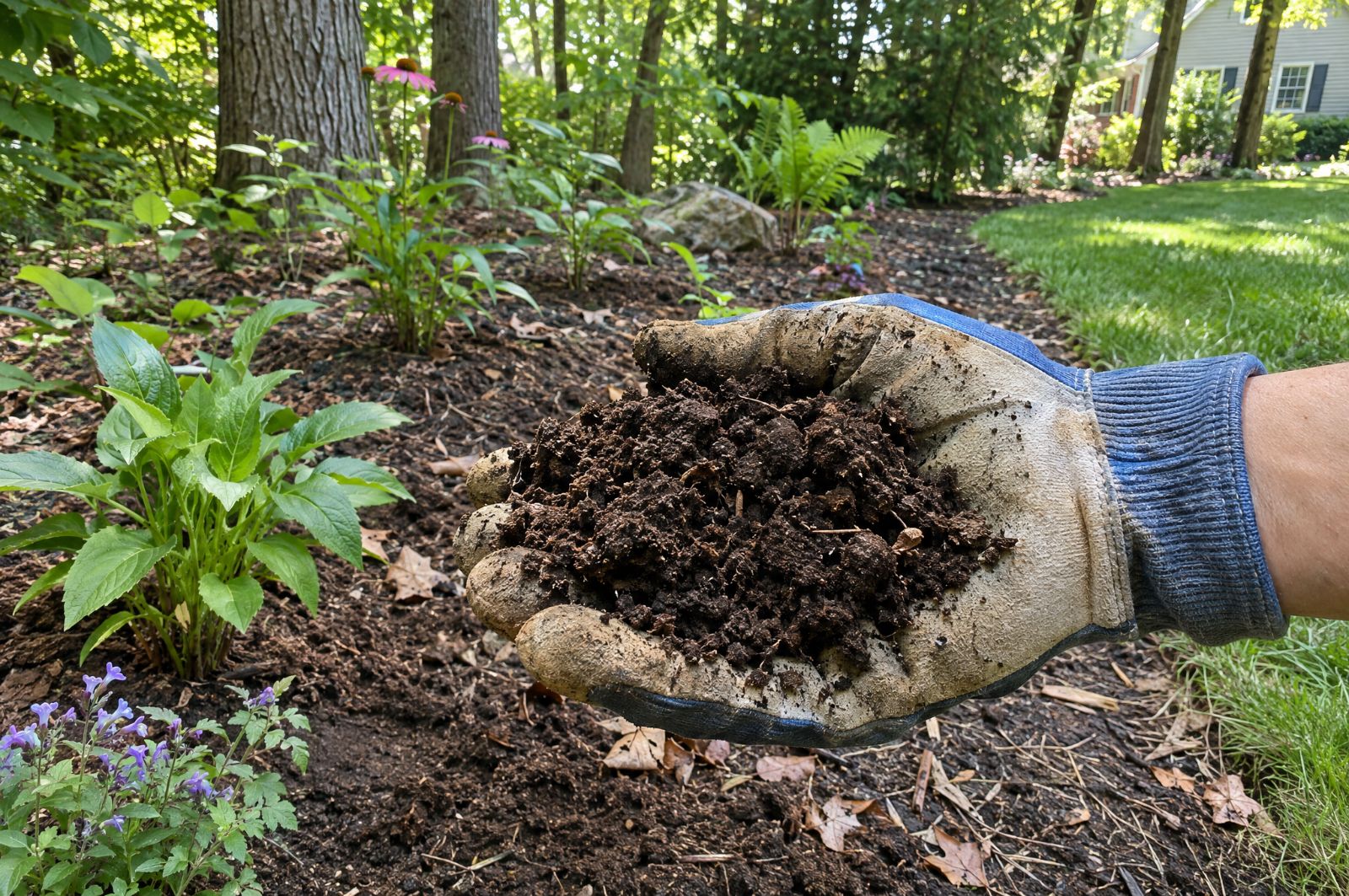
Plenty of yards in Rockaway sit on clay, rock or ground that was disturbed when the house was built. Good topsoil can fix a lot of that, but poor soil sold as topsoil can make things worse. This guide covers how to tell the difference and how to put good soil to work in your lawn and garden.
Start by understanding the soil you already have
Before you add anything, find out what is under your grass. A simple at-home check tells you a lot:
- Dig a small hole about 8 inches deep. Notice where the dark layer ends and lighter, harder ground begins.
- Squeeze a moist handful. Sticky soil that holds a tight shape is heavy in clay. Gritty soil that falls apart right away is sandy.
- Fill the hole with water and watch. If it is still full hours later, drainage is poor.
For a real answer on pH and nutrients, a soil test through the Rutgers Cooperative Extension is inexpensive and takes the guessing out of it. You may find that your lawn needs lime or organic matter more than it needs new soil.
What good topsoil looks and feels like
If you do decide to bring soil in, look at it before you buy, or ask for a photo. Good topsoil usually has:
- A dark brown color and a crumbly texture when slightly moist
- Few stones, roots, chunks of sod or bits of construction debris
- An earthy smell, not sour or chemical
- Some organic matter, but not so much that it feels like pure compost
Watch out for soil that is pale and heavy, full of rock, or clumped into hard chunks. That is often subsoil or fill, which is fine for raising grade under a lawn but poor for growing plants.
Three common topsoil mistakes
Layering instead of mixing
Dumping 4 inches of new soil over hard clay creates a sharp boundary. Water and roots tend to stop at that line. Loosen the existing ground and blend the new soil into it.
Burying the lawn
Spreading thick soil over grass to “fix” a bumpy lawn usually kills the grass underneath. Thin layers, a half inch or so, let the turf grow through.
Skipping the follow-up
New soil is a fresh seedbed for weeds as well as for the plants you want. Without mulch in the beds and steady mowing on the lawn, weeds move in fast.
Using topsoil in lawns versus garden beds
For lawns: topsoil is most useful for leveling shallow dips and repairing bare patches before seeding. Cool-season grasses such as tall fescue and Kentucky bluegrass, which do well across northern New Jersey, establish best from late summer into early fall, when soil is warm and nights are cool.
For garden beds: mix soil and compost into the top 6 to 8 inches, plant, then mulch 2 to 3 inches deep. Keep the mulch pulled back from stems and tree trunks.
How Landscaping by Boris helps after the soil work
Boris does not sell or deliver topsoil. Where we come in is keeping the yard healthy once the ground is ready. For Rockaway homeowners we offer:
- Lawn mowing and lawn care so repaired areas fill in and stay even.
- Landscape bed maintenance, including weeding and edging that keep new beds from going wild.
- Mulch delivery and spreading to protect new plantings.
Frequently asked questions
Is topsoil the same as garden soil?
Not quite. Topsoil is the natural upper layer of ground. Garden soil or a blend usually has compost added, which makes it better for beds and planters.
Should I test my soil before adding anything?
Yes, if you can. A soil test shows whether you need lime, nutrients or organic matter, which can save you from buying soil you do not need.
When is the best time to repair a lawn with topsoil and seed?
Late summer into early fall is usually best for cool-season grass in New Jersey. Spring can work too, but new grass has less time to root before summer heat.
Let Boris take care of the lawn from here
Landscaping by Boris is owner-operated, so you deal with Boris directly. Ask for a free estimate on mowing, bed care or mulch for your property.