
Bulk vs. Bagged Mulch in Hampton, NJ: How Much You Really Need
April 17, 2025
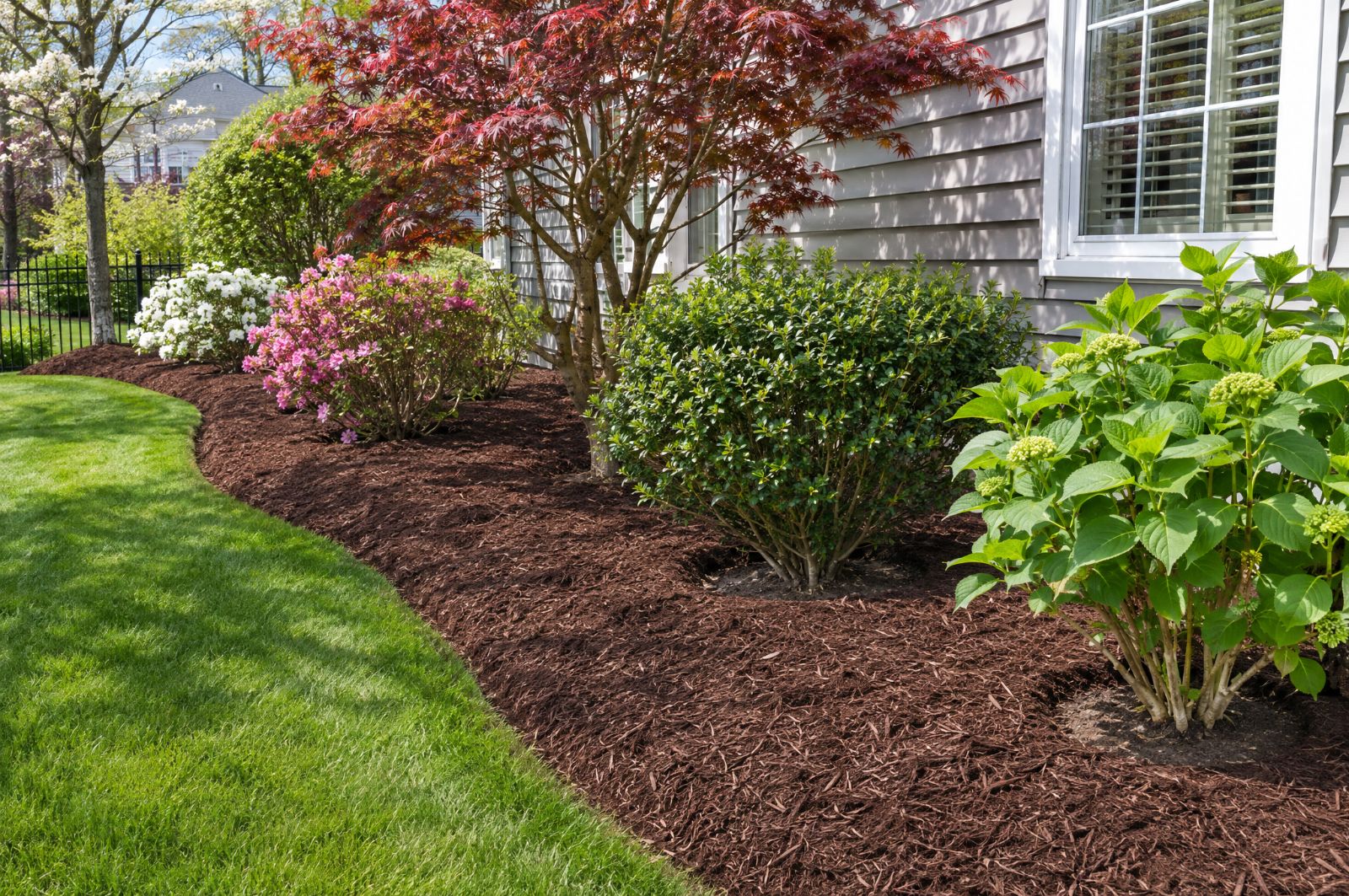
Every spring, a lot of Hampton driveways end up with either a mountain of mulch that takes a month to spread or a stack of bags that runs out halfway down the first bed. Both usually come from the same thing: guessing. A tape measure and five minutes of math will tell you exactly what to get.
Measure your beds first
Walk each bed and measure its length and average width in feet. Multiply them to get square feet. Irregular beds can be broken into rough rectangles and added together. Write each bed down separately so you can see where the bulk of the mulch is going.
Next, decide how deep you need to go. For most beds the target total depth is 2 to 3 inches. If last year’s mulch is still there and in decent shape, you may only need to add an inch to freshen the color.
The simple math
Bulk mulch is sold by the cubic yard. One cubic yard is 27 cubic feet, which covers roughly:
- about 324 square feet at 1 inch deep
- about 162 square feet at 2 inches deep
- about 108 square feet at 3 inches deep
So a home with 400 square feet of beds getting a fresh 2-inch layer needs about 2.5 cubic yards. Bagged mulch is often sold in 2 cubic foot bags, which means it takes around 13 to 14 bags to equal one cubic yard. That same 2.5 yards would be well over 30 bags.
Bulk or bags?
There is no single right answer. It depends on the size of the job and how you plan to spread it.
Bags make sense when:
- You only have a small bed or two.
- You want to work a little at a time.
- You have nowhere to put a pile.
Bulk makes sense when:
- You have more than a couple of yards to spread.
- You want a consistent color and texture across every bed.
- You would rather not deal with stacks of plastic bags afterward.
The hidden cost of bulk is the labor. A few yards of mulch means a lot of wheelbarrow trips, and a pile left in the driveway for weeks can stain concrete and lose its fresh color.
Spread it so it helps
- Weed and edge first. Mulch over weeds just delays them.
- Keep it off trunks and stems. Mulch piled against bark holds moisture and invites rot and pests. Leave a small gap.
- Do not overdo depth. Year after year of fresh layers can build up too thick. Rake old mulch and add only what is needed.
- Spread evenly. Thin spots let weeds through, and deep spots waste material.
Skip the pile entirely
If the math says you need several yards, it may be easier to have someone else handle it. Landscaping by Boris offers mulch delivery and spreading, so the mulch goes straight onto the beds instead of sitting in your driveway. Pair it with bed maintenance for weeding and edging first, and the beds are done in one visit. You work with Boris directly, with no salespeople or middlemen.
Boris is based in Long Valley and serves Morris County and nearby towns. Hampton is in Hunterdon County, so call (908) 303-3397 to check whether your property is in range.
Mulch quantity questions
How often should I add mulch?
Most beds need a refresh once a year, usually in spring. Check the depth before adding, since mulch breaks down at different rates.
Should I remove old mulch first?
Not always. If it has broken down into the soil, a light raking and a thin top layer is enough. If it is thick and matted, some removal helps.
What kind of mulch should I use?
Shredded hardwood is a common choice because it knits together and stays put. Ask Boris which option fits your beds.
Fresh mulch without the wheelbarrow
Boris can measure your beds, bring the mulch and spread it right. Call to see if your Hampton property is in range.