
Choosing the Right Sand in Oxford, NJ: A Homeowner’s Guide
April 17, 2025
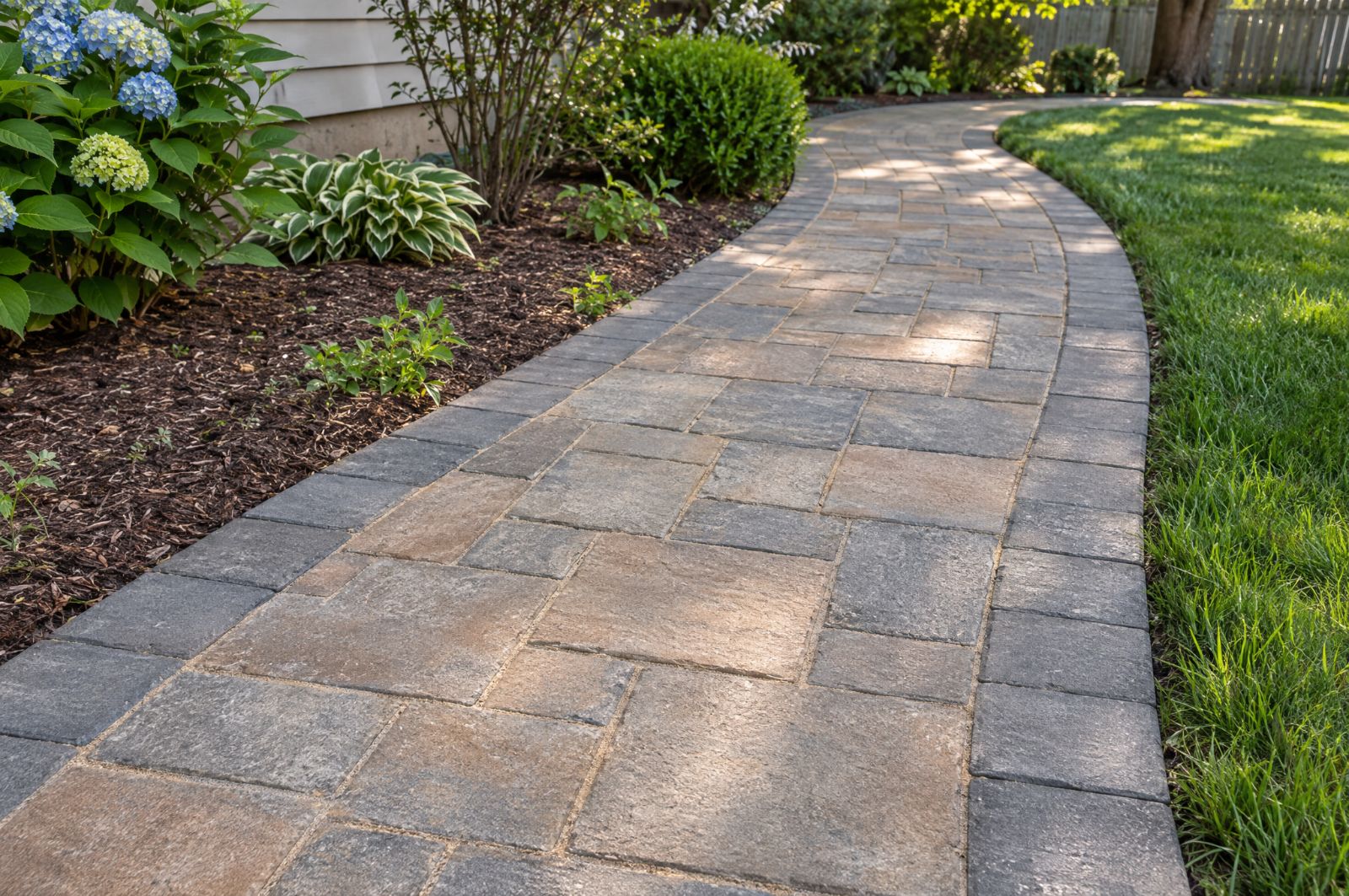
Sand seems like the simplest material in the yard, until you are standing in front of three piles that all look the same. Picking the wrong one can mean joints that wash out, a play area that turns into a crust, or a base that shifts. If you are an Oxford homeowner planning a small project, here is a plain-language look at the common types and what they are actually for.
The main types of sand
Mason sand
Mason sand is fine and fairly uniform. It is used in mortar, as a top dressing in some situations, and sometimes for play areas because it feels soft. Because the grains are small and rounded, it does not lock together well, so it is not a strong choice for a structural base.
Concrete sand
Concrete sand is coarser, with a mix of grain sizes. That variety helps it compact and drain, which is why it is commonly used as a bedding layer under pavers and as an ingredient in concrete.
Play sand
Play sand is washed and screened so it is clean and soft. It is meant for sandboxes, not for construction.
Polymeric joint sand
This is a fine sand blended with a binder. After it is swept into paver joints and misted, it hardens enough to resist washout and discourage weeds. It needs to be installed carefully, following the label, or it can leave a haze on the pavers.
Common sand mistakes
- Using sand as the whole base. A paver patio needs a compacted gravel base underneath. Sand is a thin leveling layer, not a foundation.
- Too much bedding sand. A thick sand layer can shift and lead to dips. Installers typically keep it thin.
- Skipping edge restraint. Without a firm edge, sand and pavers creep outward over time.
- Sand in planting beds. Mixing sand into clay soil can make it denser, not looser. Compost is usually a better way to improve heavy soil.
- Ignoring drainage. If water already pools in the area, sand will not fix it. The cause needs to be solved first.
Who should do the building
Most of the projects that call for sand, like patios, walkways and paver repairs, are hardscape work. They depend on proper excavation, base material and compaction, and they are a job for a hardscape contractor. A sandbox or a small repair to a few loose pavers may be fine for a handy homeowner, but anything you expect to walk on for years deserves a pro.
Where Boris helps
Landscaping by Boris does not sell sand or build hardscapes. What Boris does is keep the areas around them clean and tidy. That means pulling weeds that creep into joints and bed edges, keeping landscape beds crisp where they meet a walkway, and clearing leaves and debris during spring and fall cleanups so stone and paver areas do not stay damp and grow moss.
A paver patio that is kept swept and weeded holds up better and looks newer for longer, so the maintenance side matters as much as the build.
Is Oxford in the service area?
Boris is based in Long Valley and serves Morris County and nearby towns. Oxford is in Warren County, so call (908) 303-3397 to check whether your property is in range.
Sand questions homeowners ask
Can I use play sand under pavers?
It is not a good fit. Play sand is too fine and uniform to compact well. Installers usually use a coarser bedding sand over a compacted gravel base.
Why are weeds growing between my pavers?
Wind-blown soil and seeds settle into joints over time. Regular sweeping and weeding helps, and some homeowners have joints refilled with polymeric sand by a hardscaper.
Does Boris repair patios?
No. Boris keeps surrounding beds, edges and stone areas weeded and clean. For structural repairs, contact a hardscape contractor.
Keep beds and edges looking clean
Boris handles weeding, edging and seasonal cleanups around your walkways and patios. Call to see if your Oxford property is in range.