
Which Sand Is Best for Pavers? A Dover, NJ Homeowner’s Guide
April 17, 2025
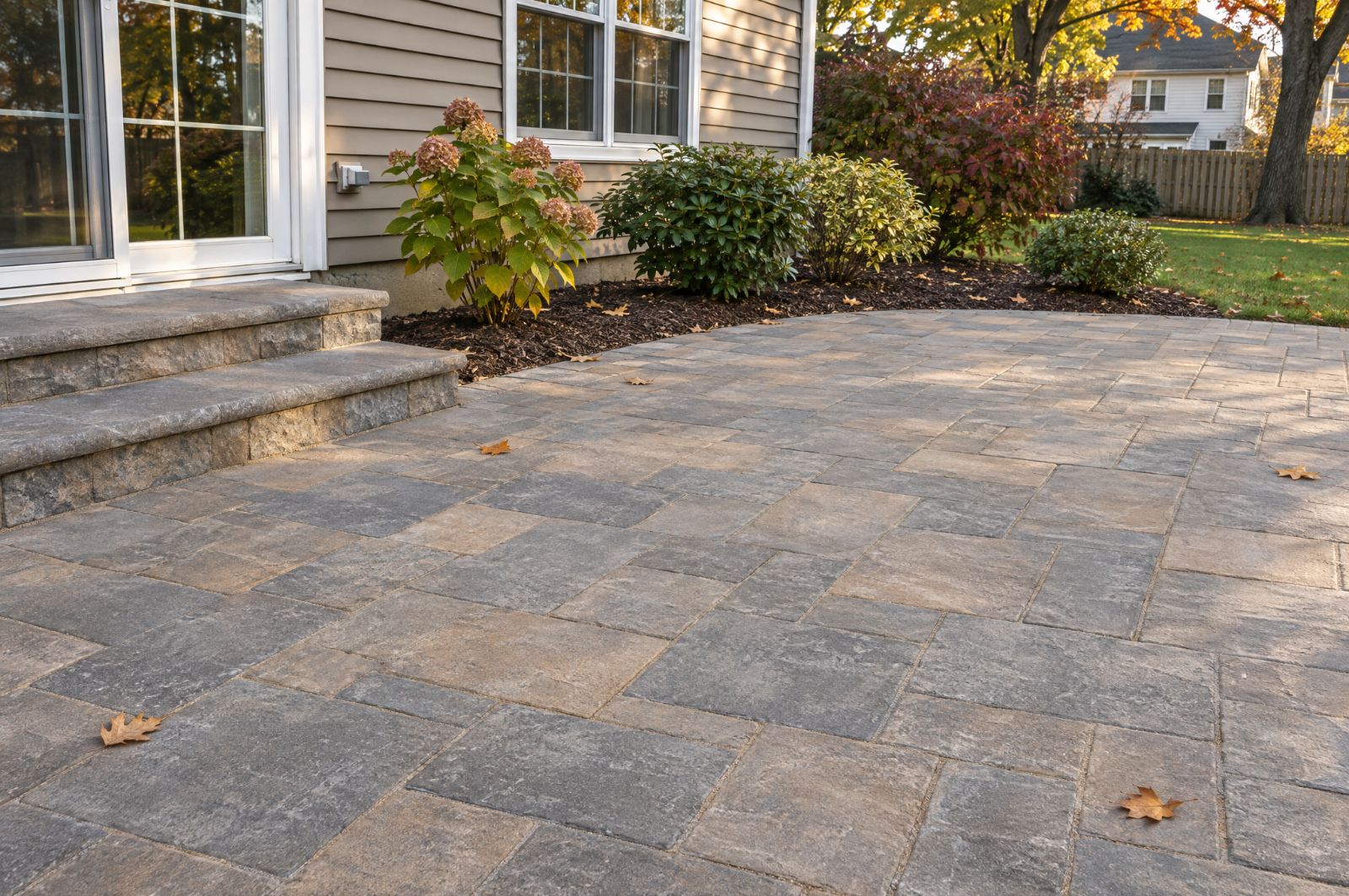
A paver patio or walkway can last a long time, but only if what is underneath it is done right. If you are planning one for your Dover home, or trying to understand why an older one is sinking or growing weeds, it helps to know the two kinds of sand pavers depend on and what each one does.
Two jobs, two kinds of sand
Pavers use sand in two places:
- Bedding sand goes in a thin, level layer on top of the compacted gravel base. The pavers sit on it.
- Joint sand is swept into the gaps between pavers after they are laid. It locks the pavers together so they do not shift.
These are different materials for different purposes, and using the wrong one in either place causes problems.
Bedding sand: what goes underneath
The bedding layer is usually about an inch thick. Its job is to give each paver a smooth, even seat while still letting water drain through.
- Coarse concrete sand is the common choice. Its sharp, angular grains lock together and drain well.
- Fine sands like mason or play sand are generally poor choices here. They hold water and can shift, which leads to uneven pavers.
- Thicker is not better. A deep sand layer is unstable. If an installer is using lots of sand to make up for a poor base, that is a red flag.
The real strength of a patio comes from the gravel base under the sand. That base needs to be dug out, compacted in layers and sloped so water runs away from the house. In a place with freeze and thaw cycles like northern New Jersey, this is the step that decides whether pavers stay flat.
Joint sand: what goes between
Once pavers are down, sand is swept into the joints and the surface is compacted. There are two main options:
- Regular joint sand is affordable and easy to top up, but it washes out over time and leaves room for weeds and ants.
- Polymeric sand contains binders that harden after being misted with water. It holds up better against washout and makes it harder for weeds to take hold. It needs to be installed on a dry day and cleaned off the paver surface before wetting, or it can leave a haze.
Even polymeric sand is not weed-proof forever. Windblown seeds and organic debris settle on top of the joints, and weeds can sprout there.
Leave the building to a hardscape contractor
Excavating, compacting, setting pitch and cutting pavers is skilled work with specialized equipment. For a new patio, walkway or driveway, or to fix one that has settled, hire a hardscape contractor. Ask them what base depth they use, which bedding sand they use and what joint material they recommend for your site.
Keeping pavers and the beds around them tidy
Once the patio is built, regular upkeep keeps it looking sharp. A few habits help:
- Sweep or blow debris off the surface often so it does not break down in the joints.
- Pull joint weeds while they are small, before roots spread.
- Keep mulch from washing onto the pavers by edging beds cleanly.
- Clear fallen leaves in autumn, since wet leaf mats can stain pavers.
Boris does not install pavers or sell sand, but he helps Dover homeowners with the upkeep around them. His landscape bed maintenance covers edging and weeding, including weeds in paver joints and stone areas as part of the routine. Spring and fall cleanups clear leaves and debris from patios, walks and beds, and yard cleanup handles storm debris when it lands on your hardscape. Boris serves Dover and the surrounding Morris County towns.
Paver sand questions
Why are weeds growing between my pavers?
Joint sand has usually washed out or debris has built up in the gaps. Regular weeding and sweeping help, and a contractor can refill joints if needed.
Can I use leftover play sand under pavers?
It is not a good idea. Fine sand holds water and shifts. Coarse concrete sand is the usual bedding choice.
How do I know if my patio base failed?
Sinking spots, rocking pavers and puddles that sit on the surface are common signs. A hardscape contractor can assess and repair it.
Keep your Dover patio and beds in shape
Boris can keep the beds, edges and stone areas around your hardscape weeded and clean.