
Yard Project Checklist for Great Meadows Homeowners
April 17, 2025
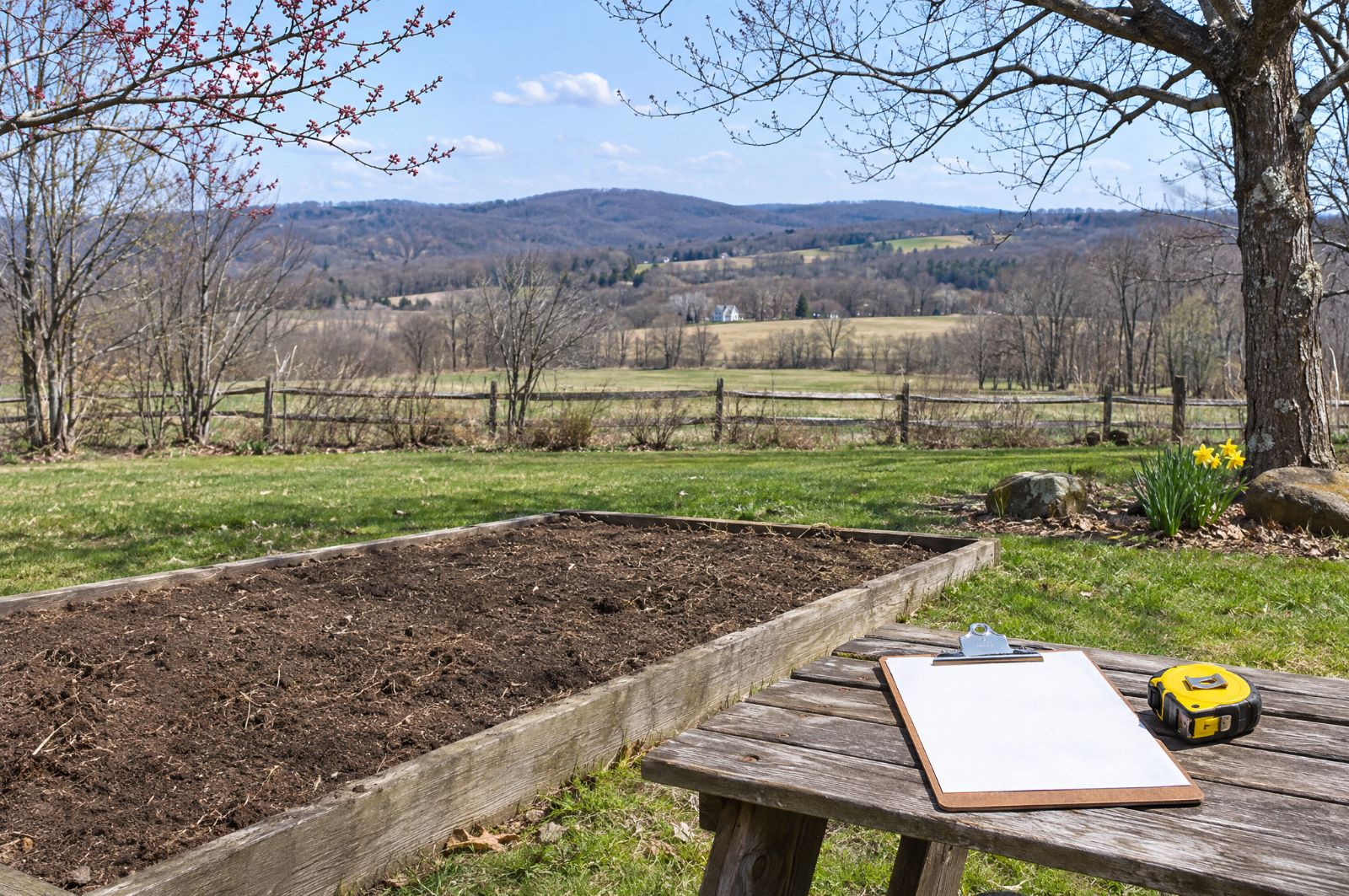
Out in Great Meadows, a yard often blends right into open fields and hills, which makes a tidy, well-planned property stand out. The difference between a project that goes smoothly and one that drags on is usually the planning. Use this checklist, season by season, to decide what to do, what to buy, and what to hand off.
Late winter: plan before you buy anything
February and early March are the best time to think, because nothing is growing yet and you can see the bones of the yard.
- Walk the property and photograph every bed, slope and bare patch.
- Note where water sits after rain or snowmelt. Wet spots change what you can plant or seed.
- Measure each bed’s length and width. You will need these numbers for mulch and soil.
- Write down one main goal for the year. Cleaner beds? A thicker lawn? Better curb appeal?
- Decide which items are weekend jobs and which you want a pro to handle.
Early spring: clean up first, then improve
It is tempting to buy plants on the first warm day. Hold off until the yard is cleared, because cleanup shows you what actually needs fixing.
- Rake out leaves and debris that sat in beds all winter.
- Cut back dead perennial stems and ornamental grasses.
- Re-cut bed edges so lawn does not creep in.
- Check shrubs for winter damage before deciding to trim or replace.
- Look over any stone paths or patios for weeds coming up through joints.
A thorough spring cleanup is one of the jobs many homeowners choose to hire out, since it is a lot of hauling in a short window.
Mid to late spring: your buying list
Once beds are clean, you know exactly what you need. Keep the list short and specific.
- Mulch. Plan for a layer about 2 to 3 inches deep, kept off trunks and stems. Measure first so you are not left with a pile you cannot use.
- Topsoil or compost. Only for beds where soil has sunk or plants are struggling. Most beds do not need new soil every year.
- Grass seed. For thin spots. Cool-season grasses do best when seeded in late summer to early fall, so spring seeding is often just for patching.
- Plants. Buy for the light you actually have, not the light you wish you had.
- Stone or pavers. If your plan includes a patio, walkway or wall, that is a job for a hardscape contractor. Get that on the calendar early, since good ones book up.
Summer: keep it from slipping
Summer is when most yard projects quietly fall apart. Heat and busy weekends mean beds go a few weeks without attention, and weeds take over fast.
- Pull weeds every week or two while they are small.
- Mow high in hot weather so grass shades its own roots.
- Water new plants deeply rather than a little every day.
- Touch up edges once mid-season.
Routine bed maintenance keeps all that spring work from going to waste.
Fall: wrap up and set up next year
- Clear leaves before they mat down on the lawn.
- Seed or overseed thin lawn areas while soil is still warm.
- Cut back spent perennials, or leave some for winter interest.
- Write down what worked and what did not, while you remember.
Questions about planning a yard project
How do I know how much mulch to buy?
Multiply each bed’s length by width to get square feet. For a 3 inch layer, divide that number by about 108 to get cubic yards. A bag usually lists its volume in cubic feet, and 27 cubic feet make one cubic yard.
Should I do the whole yard in one year?
Usually not. Pick one main goal per season and finish it well. Spreading projects out is easier on your budget and your back.
Does Landscaping by Boris work in Great Meadows?
Boris is based in Long Valley and serves Morris County and nearby towns. Great Meadows is outside Morris County, so call (908) 303-3397 to check whether your property is in range.
Want help with the work on your list?
Boris handles cleanups, mulch, bed care and lawn care for homeowners in Morris County and nearby. Call to see if your property is in range.